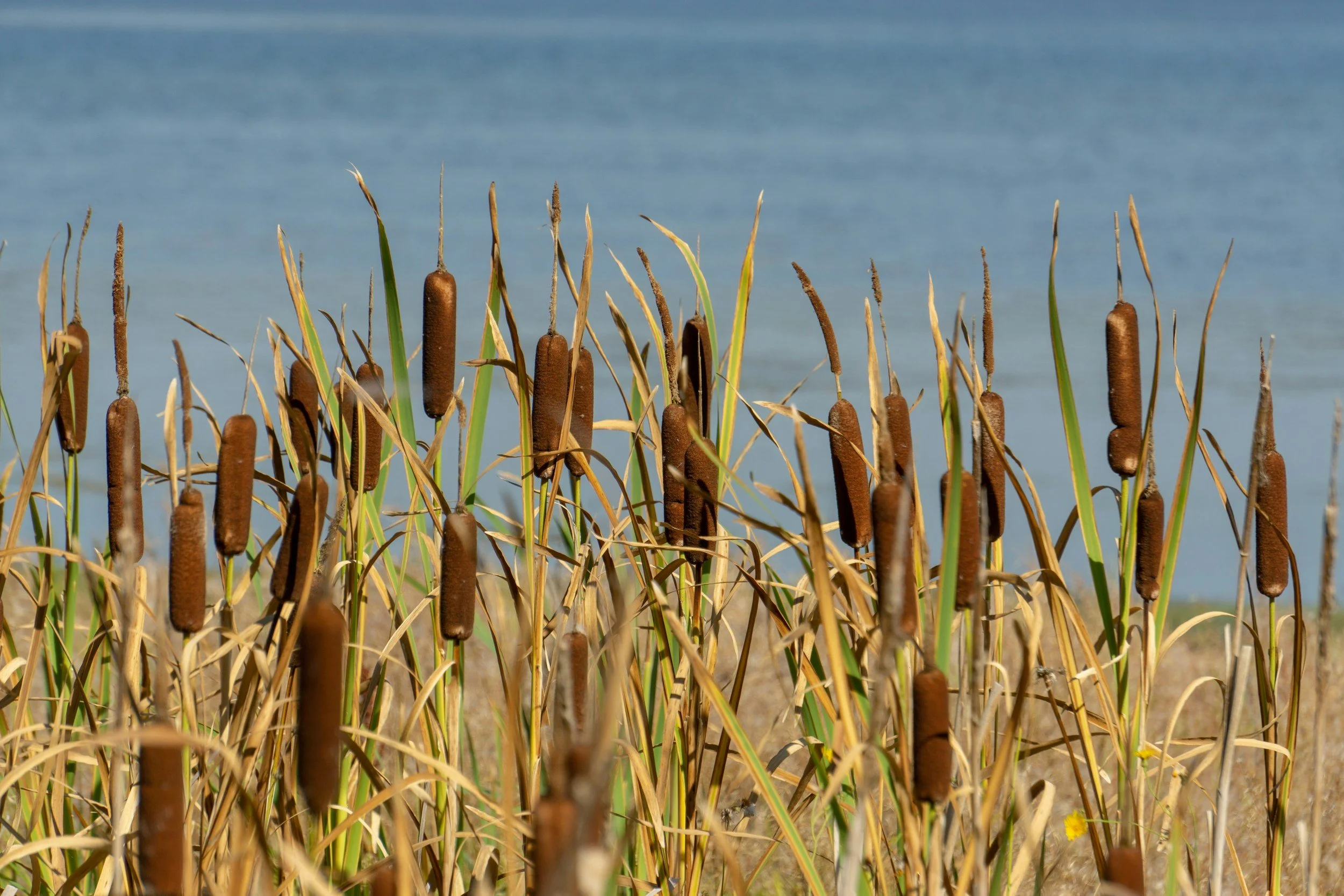
Long Point Crown Marsh Rehabilitation Project
The Long Point Waterfowlers Association is a community-based, non-profit organization dedicated to the conservation of waterfowl, the preservation of wetland habitats, and the promotion of responsible hunting traditions in the Long Point region. Comprised of passionate hunters, conservationists, and outdoor enthusiasts, the Association works collaboratively to support habitat restoration, advocate for sustainable wildlife management, and foster a strong sense of environmental stewardship. Through volunteer-driven initiatives, educational outreach, and strategic partnerships, we play an active role in protecting the ecological integrity of the region while ensuring that the cultural heritage of waterfowling is responsibly sustained for future generations.
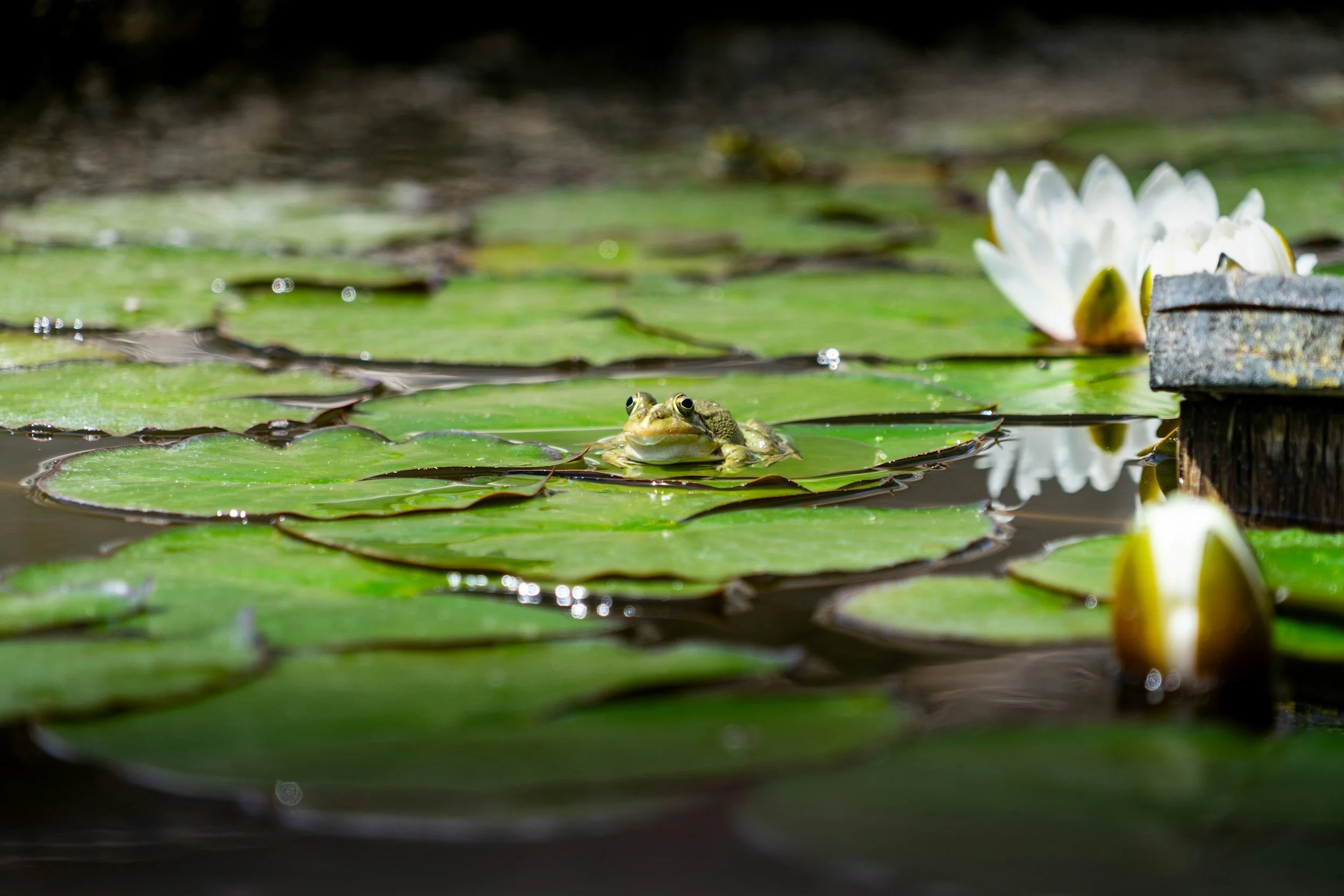
The Crown Marsh is an ecologically significant wetland that provides critical habitat for a wide diversity of species, including migratory and resident birds, fish, amphibians, and other wildlife. As part of a globally recognized biodiversity hotspot, the marsh supports essential breeding, feeding, and staging areas. In addition to its ecological importance, the marsh contributes to sediment control, shoreline stabilization, and improved water quality through natural filtration and nutrient cycling. It also supports a wide range of recreational opportunities, including boating, birdwatching, hunting, fishing, and nature appreciation, making it an asset for both conservation and public use.
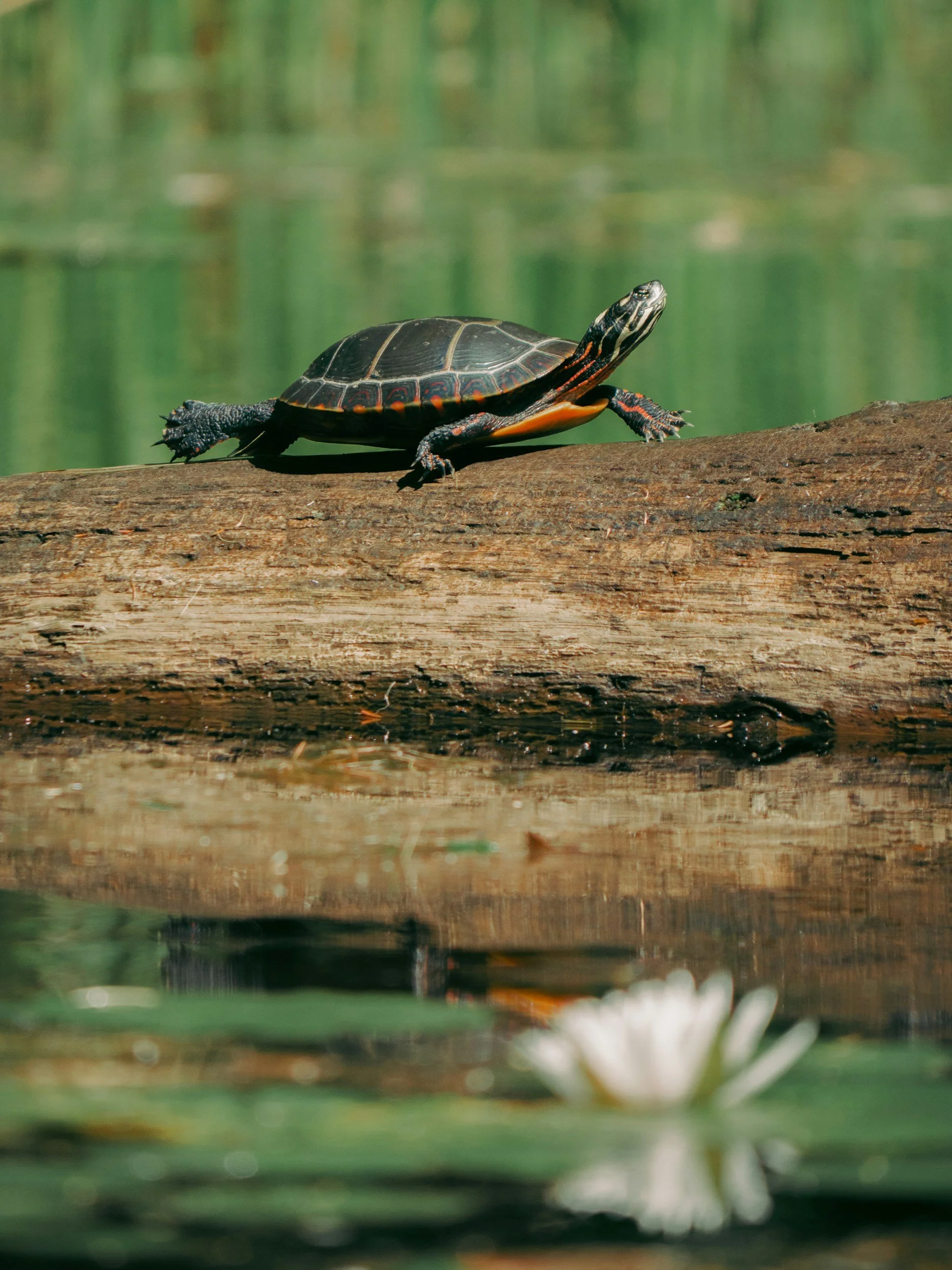
Marsh rehabilitation is essential to maintaining healthy wetland ecosystems. Over time, these environments can become degraded due to invasive species, altered hydrology, pollution, and human activity. Targeted rehabilitation efforts—such as restoring water flow, improving habitat connectivity, and re-establishing native vegetation—help rebuild critical habitat for a wide range of species while enhancing ecosystem resilience, water quality, and shoreline stability.
Our project focuses on restoring ecological function within a defined section of the marsh through a phased approach. All necessary permits have been secured through the Department of Fisheries and Oceans, ensuring compliance with environmental regulations. To minimize impacts on sensitive species, work is scheduled within the optimal window of September.
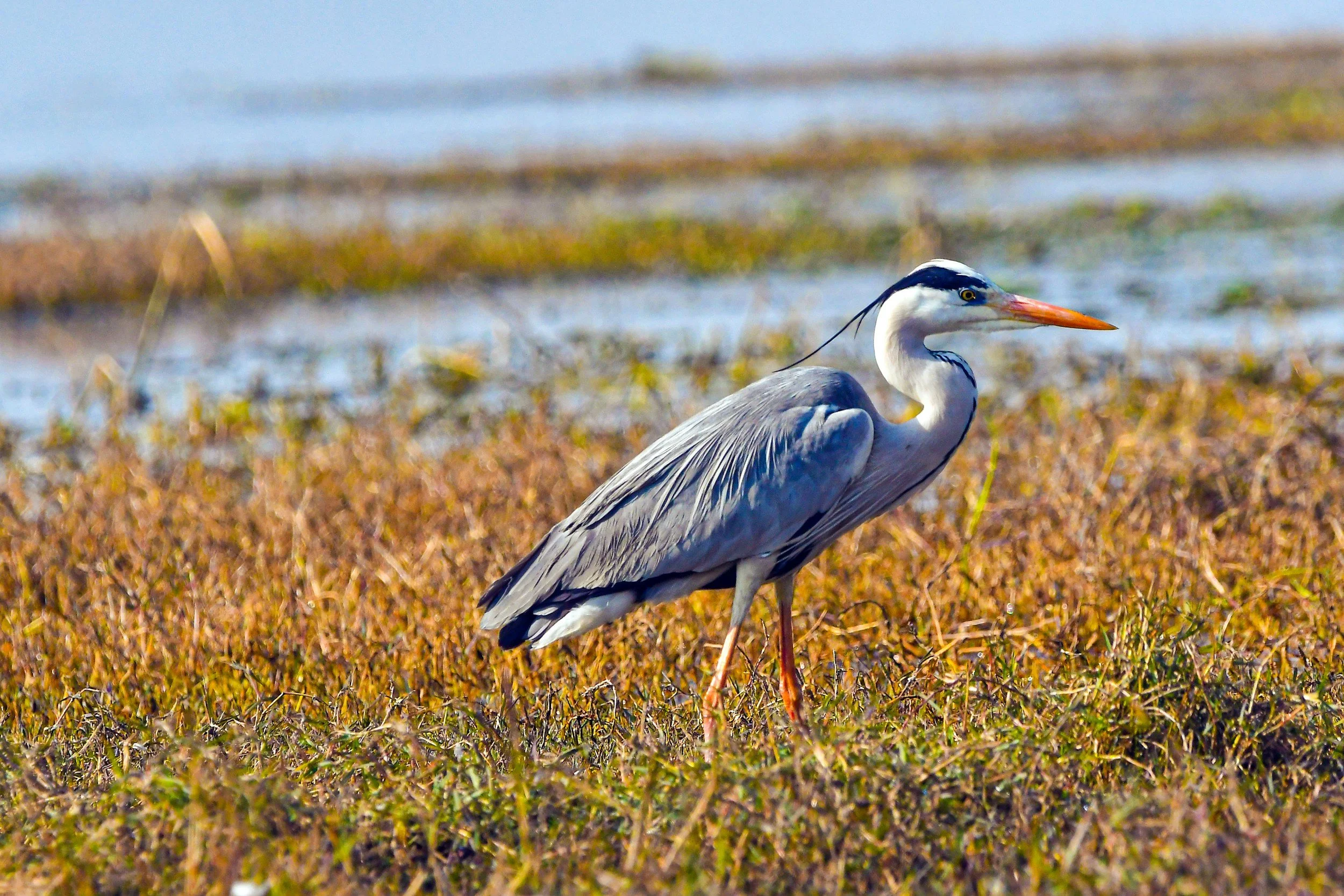
Phase One will involve approximately four acres of active rehabilitation, including enhancements to four pond areas identified as 22, 23, 27, and 29. This phase also includes the restoration of several thousand meters of channels to improve hydrological connectivity and overall marsh function.
The estimated cost of $56,500, as provided by Jim Granger Excavating, reflects the scope and precision required to complete the pond and channel rehabilitation work. This includes specialized excavation, grading, and shaping to restore appropriate water depths and flow patterns while working carefully within a sensitive marsh environment. The estimate accounts for equipment, labor, and the expertise needed to ensure minimal disturbance and long-term ecological success.
We are seeking financial support to help implement this important project. Funding will directly support materials, equipment, labor, and technical expertise required to complete the work. Your contribution will play a vital role in enhancing habitat for waterfowl, fish, amphibians, and other wildlife, while improving water quality and overall ecosystem health.
We appreciate your time and consideration. Your support will make a meaningful difference in preserving and restoring the Crown Marsh for both wildlife and the broader community. We thank you for your commitment to conservation and for helping ensure the long-term sustainability of this important natural area.
Respectfully,
Long Point Waterfowlers Association
-
"Wetlands are not just land and water; they are life and resilience"
-
"When we reconnect and restore nature, we are restoring ourselves"
-
"Nature is not a place to visit. It is home"